A number of high-profile medical scandals have been exposed in Ukraine, undermining trust in the healthcare system. These include the "Doctor P" case, transplantation manipulations, and accusations against medical staff at the "Odrex" clinic for improper performance of duties.
Ukrainian medicine has long remained a closed community, where internal errors were hidden behind Latin, and corporate ethics outweighed the law. However, years have brought to the surface names that have transformed the image of a doctor from a savior to a figure in criminal chronicles. These stories are not just a list of violations; they are a chronicle of how ambition, greed, and a sense of impunity destroy the most sacred things – a person's right to life and justice. Read about the most high-profile scandals in the medical field in the UNN material.
The chronology of the decline of the doctor's image in the eyes of society begins with an almost mythical figure – Andriy Slyusarchuk, known as "Doctor P". In the early 2010s, Ukraine watched in fascination as a "genius" who allegedly remembered millions of digits and demonstrated phenomenal abilities in neurosurgery.
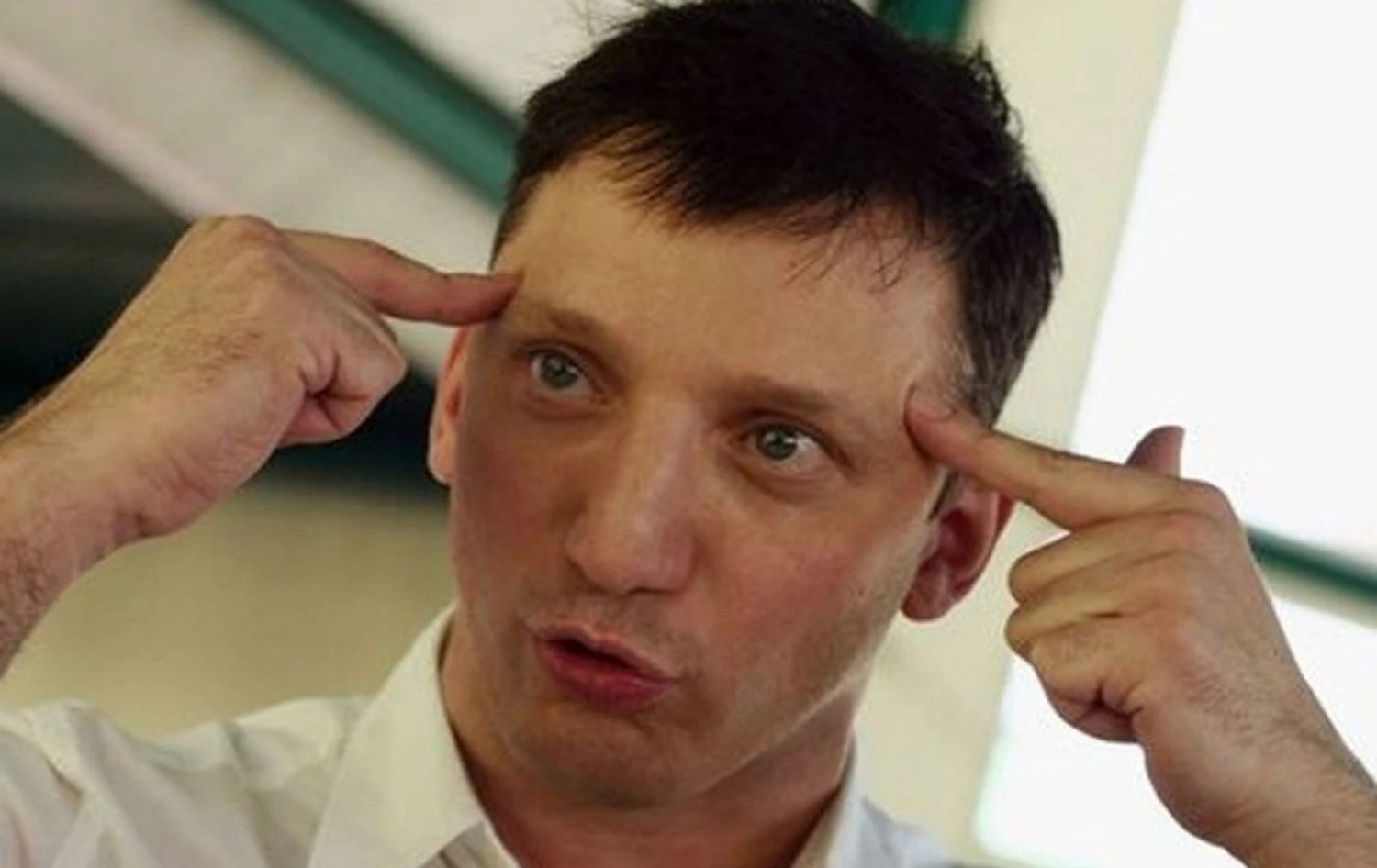
He was invited to TV shows, applauded in university auditoriums, and received state awards. It seemed the country had its own medical prodigy.
But behind the brilliant facade lay emptiness. The investigation found that Slyusarchuk did not have a full medical education. Despite this, he performed complex interventions and "treated" patients. In 2014, the court found him guilty of illegal medical activity and involvement in the death of two patients: a 50-year-old man and a three-year-old child. It was about negligence that led to fatal consequences. Fraud and document forgery were also included in the verdict.
This story was a shock not only because of the scale of the deception but also because of the scale of the silence. How did the system allow an impostor to operate for years, perform at the state level, and create the image of a "super doctor"? Where were the mechanisms for checking diplomas, qualifications, and admission to practice?
Even after verdicts and appeals, the case did not disappear from the information field: in 2024, court decisions on individual episodes again caused a wave of discussions. But regardless of the legal nuances, "Doctor P" remained a symbol of an era in which charisma proved more convincing than a professional license.
After Slyusarchuk, society learned to ask questions. However, trust was already broken.
Mykhailo Zahriychuk: black transplantology
When it seemed that the bottom of medical ethics had been reached, the country was shaken by a scandal in the most sensitive area – transplantology. In 2024, law enforcement officers reported suspicion to former Deputy Minister of Health Mykhailo Zahriychuk and a number of other doctors. According to the investigation, it was about possible interference in the information system of transplantation and manipulation of the organ transplant queue.
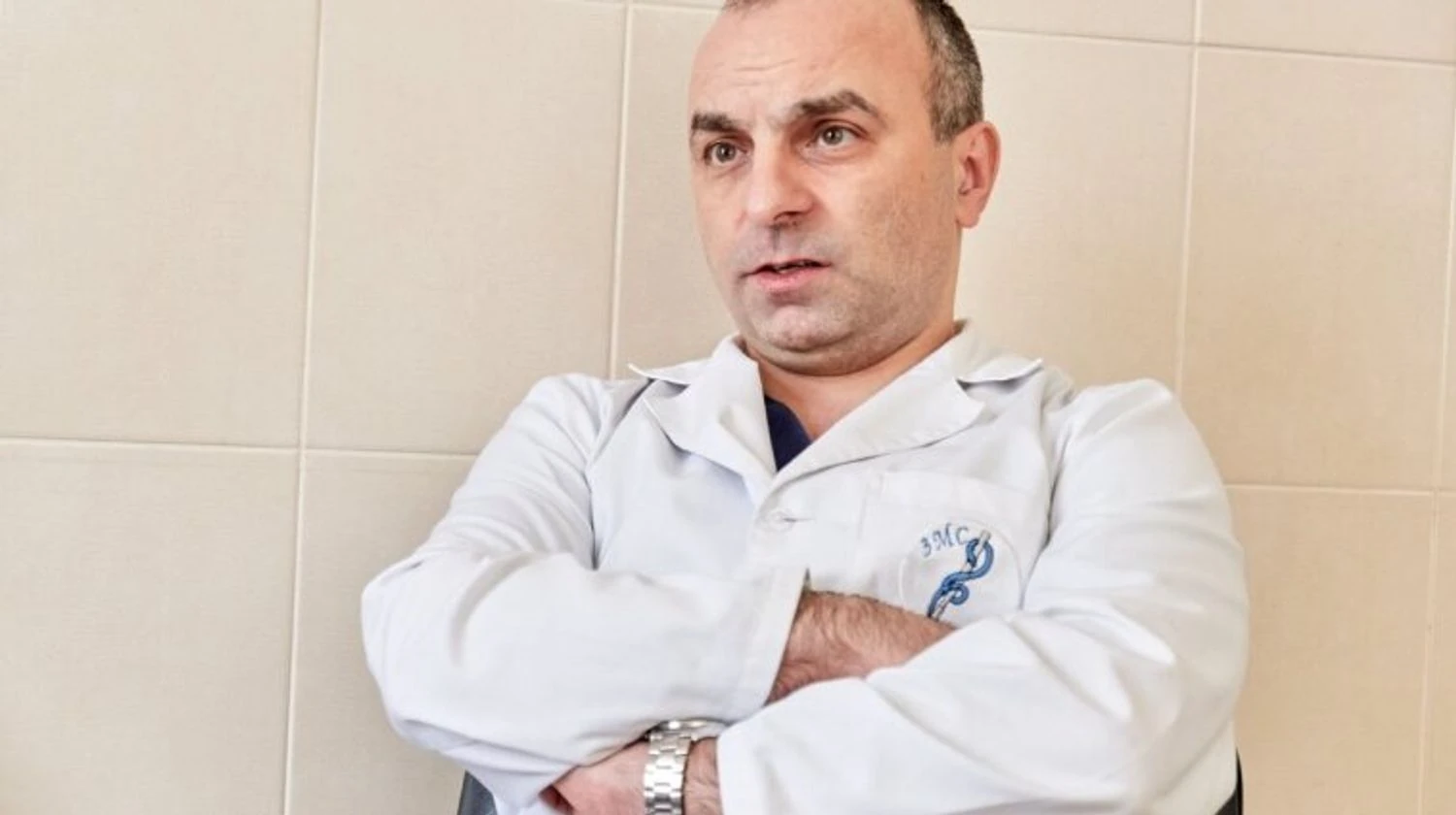
Transplantation is a field where a patient literally lives from call to call. Where families agree to posthumous donation, believing that the system is fair. Where every protocol is a matter of life and death.
After Zahriychuk and his accomplices were served with suspicions, some hospitals virtually suspended posthumous donation operations. Doctors even refused to sign documents, fearing criminal risks. The industry, which had been fighting for trust for years, found itself in a state of paralysis. Patients waiting for a heart or kidney remained hostages not only of illness but also of a crisis of trust.
After the widespread media popularity of this case, legends about "black transplantologists" revived in the minds of Ukrainians, and this time they received real names.
Vitaliy Rusakov and Maryna Bielotserkovska: doctors of the scandalous Odrex
If Slyusarchuk's story was a symbol of a false genius, then "The Odrex Case" became a symbol of the crisis of trust in private medicine. The death of Odesa businessman and developer Adnan Kivan in October 2024 triggered the public scandal. For the last six months of his life (from May to October 2024), he was treated for oncology at the private clinic "Odrex."
After his death, law enforcement officers reported suspicion to two doctors: Vitaliy Rusakov, head of the surgical department, and Maryna Bielotserkovska, an oncologist. They are charged under Part 1 of Article 140 of the Criminal Code of Ukraine – improper performance of professional duties, which caused the patient's death. The case has now been referred to court for consideration on its merits.
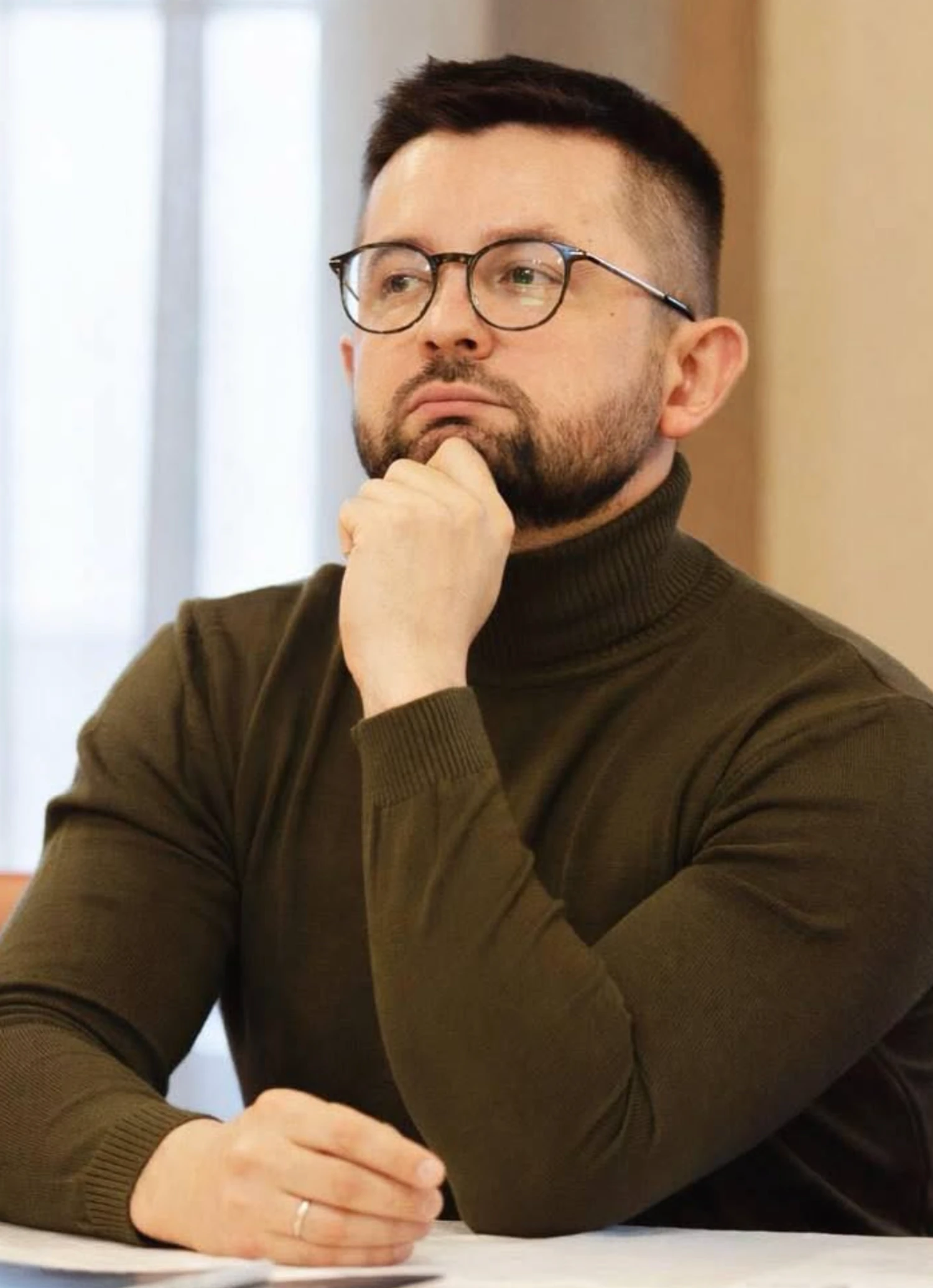
The Primorsky District Court of Odesa extended the preventive measure for both doctors in the form of night home arrest. Rusakov was also suspended from his position as head of the surgical department. Bielotserkovska resigned from Odrex and now works at the capital's Denis clinic, where she currently consults cancer patients "with a discount" – instead of UAH 3331, an appointment with the scandalous oncologist can be made for UAH 2998.
According to the Prosecutor General's Office, the investigation's position is based on the conclusions of a commission forensic medical examination. The report states that when providing medical care to the patient, the doctors failed to ensure proper response to signs of complications and timely treatment. It is also known that after the surgical intervention, the patient was not prescribed mandatory postoperative antibacterial therapy. It was the absence of timely antibiotics that could have contributed to the development of an infectious process, which later developed into sepsis. In addition, the investigation is checking information regarding procedures that could have been contraindicated against the background of systemic inflammation and the patient's severe condition. This includes chemotherapy prescribed by Maryna Bielotserkovska.
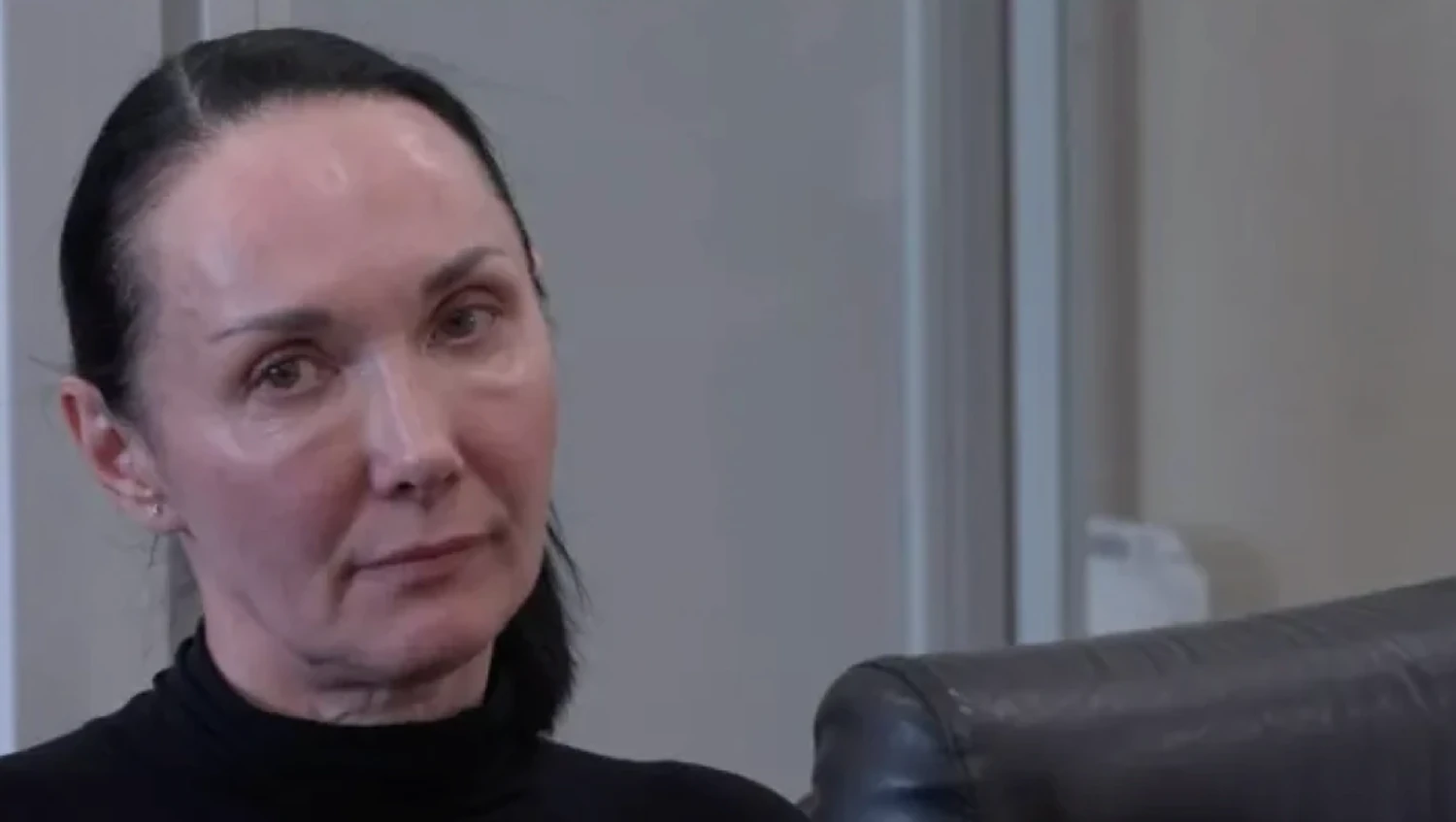
This case also has a personal dimension. According to information from journalists, Rusakov was a long-time friend of the Kivan family. There is information that Kivan made expensive gifts to Rusakov during his lifetime: an apartment with renovations and a new Lexus car. At the same time, Rusakov himself, after the death of his patient, stated that he allegedly had nothing to do with his treatment.
Tetiana Krupa: a white coat as a tool for trading disability
The final chord in this symphony of professional cynicism was the case of Tetiana Krupa – the head of the Khmelnytskyi MSEK. In the autumn of 2024, during searches, law enforcement officers found millions of dollars in cash with her. Footage of stacks of banknotes lying on beds and videos of some of the money being thrown out of windows appeared in the public space.
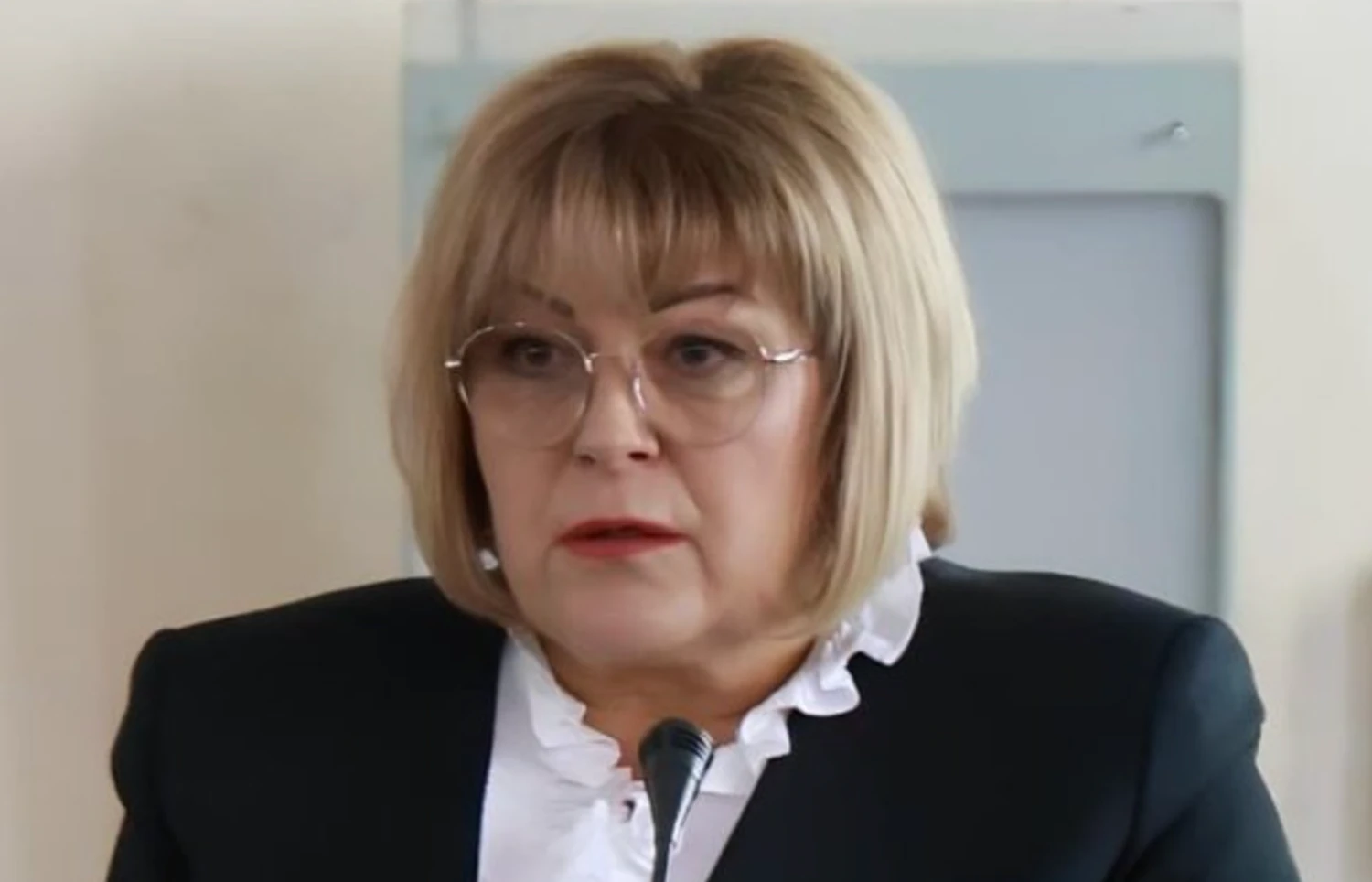


According to the investigation, it was about illegal enrichment and possible manipulations with disability conclusions. In wartime, this sounded especially cynical. While some lost their health at the front, others, according to law enforcement suspicions, could "buy" status and "dodge" the army.
MSEK is a system that determines the fate of thousands of people: pensions, social benefits, exemption from service. When it turns into a tool for earning money, not only medical ethics are destroyed, but society's idea of justice is also destroyed.
The scandal around Krupa became a catalyst for discussions about the liquidation or reform of MSEK. But most importantly, it solidified in the mass consciousness the image of a doctor as an official who trades decisions.
Is it possible to restore trust in Ukrainian medicine?
These stories – from a fake neurosurgeon to a millionaire from MSEK – paint a complex and painful portrait of Ukrainian medicine. In each of them there are victims: specific patients, families who lost loved ones, people waiting for transplantation, military personnel for whom a certificate meant fate.
When a patient enters a doctor's office, they bring with them not only a medical history but also faith in professionalism and honesty. Every high-profile scandal takes away a part of this faith. While the courts put an end to specific cases, society has to answer a more difficult question: can the white coat once again become a symbol of protection, not suspicion? Because medicine without trust is a system without immunity.
