Since ancient times, Ukrainians, on one of the greatest religious holidays – Easter – have observed a whole series of folk omens that were supposed to portend health, happiness, and wealth for the whole year. People watched the weather, the behavior of animals, and the contents of the Easter basket. Some of these beliefs were passed down from parents to children through generations.
UNN investigated which of these beliefs have not only survived but are still relevant even in modern society.
Why Easter omens were important
Easter for our ancestors was associated not only with the church calendar but also initiated a new economic cycle. People observed the sky, wind, rain, and the state of the earth. The conclusions provided clues about what to sow and plant, how grains and vegetables would grow, and what the future harvest would be like, which was extremely important for village life.
In addition, omens helped our ancestors explain things and phenomena about which they did not yet have scientific understanding.
It is also worth remembering that many beliefs and omens concerned social aspects of life: the health of relatives, the strength of family relationships, well-being, possible additions to the family, and performed a psychotherapeutic function.
Weather omens for Easter
Many "Easter" folk omens concerned the weather.
If the weather on Easter was clear and warm, it was a good omen for farmers. People believed that such a spring would be favorable for grains, vegetables, and fruits.
In addition, folk tradition did not always negatively perceive rain on Easter. It was believed that rainy weather portended a wet summer and a good harvest. This was especially relevant for field work, which depended on sufficient spring moisture.
The attitude towards spring thunderstorms on Easter was ambiguous. In some regions, they were considered an early sign of an early warm summer, and in others – a dangerous spring. Such interpretations varied due to local customs.
If it got colder on the holiday, people said that spring would be prolonged. Strong winds were also often interpreted as a sign of unpredictable weather in the coming weeks.

Omens of wealth and financial well-being
On the Feast of the Resurrection, it was considered dangerous to borrow money or things from home. People believed that along with them, one could "give away" one's own happiness. Such beliefs were common during many calendar holidays when the household tried to symbolically "keep" things in the house.
A well-organized Easter basket was a guarantee of financial prosperity. It symbolized abundance, order, and the family's readiness for the new season.
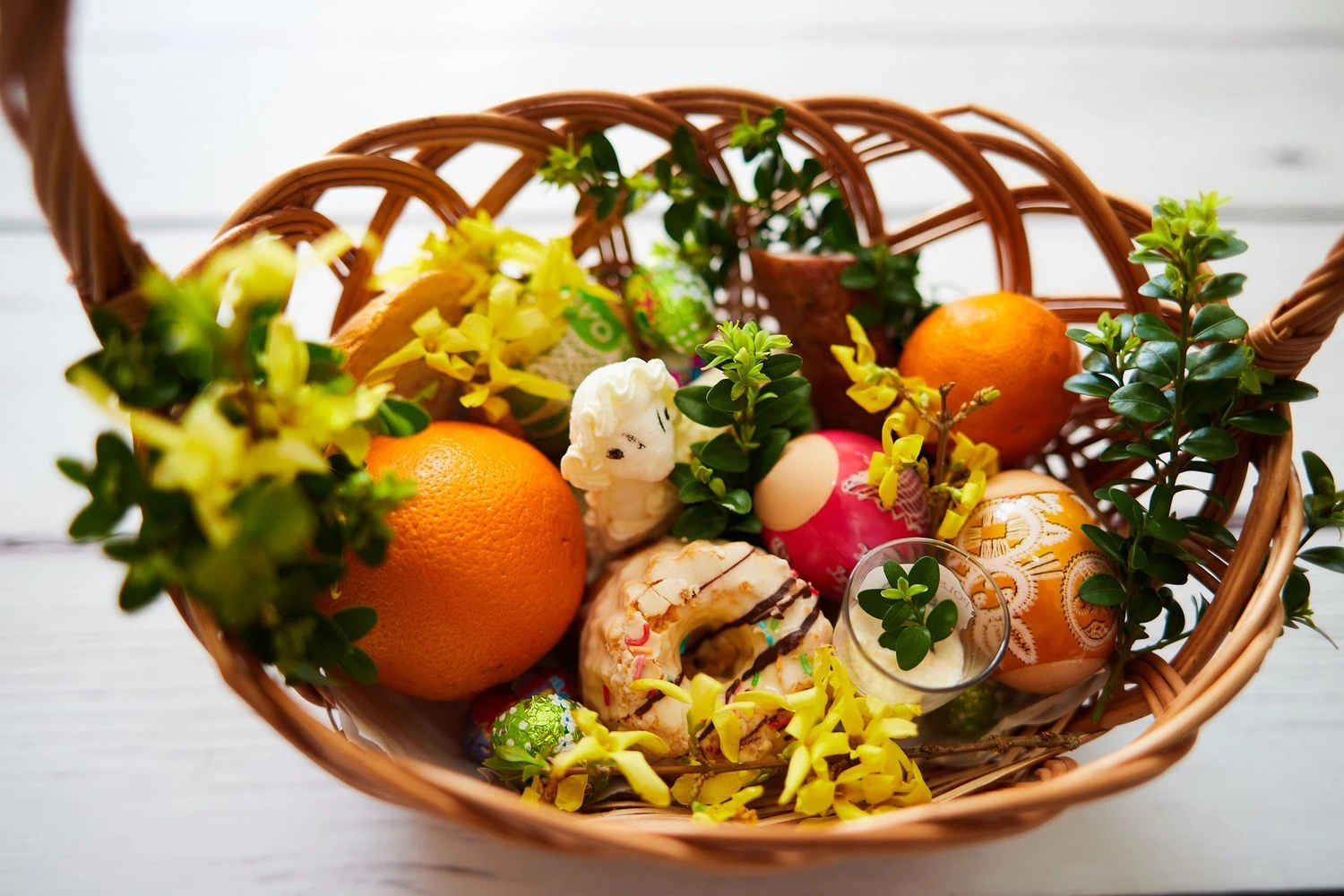
Various beliefs concerned the festive table. People tried not to leave the table empty and to ensure that there was something to treat relatives with. In folk tales, a rich Easter table was a symbol of future prosperity.
Food in Easter omens
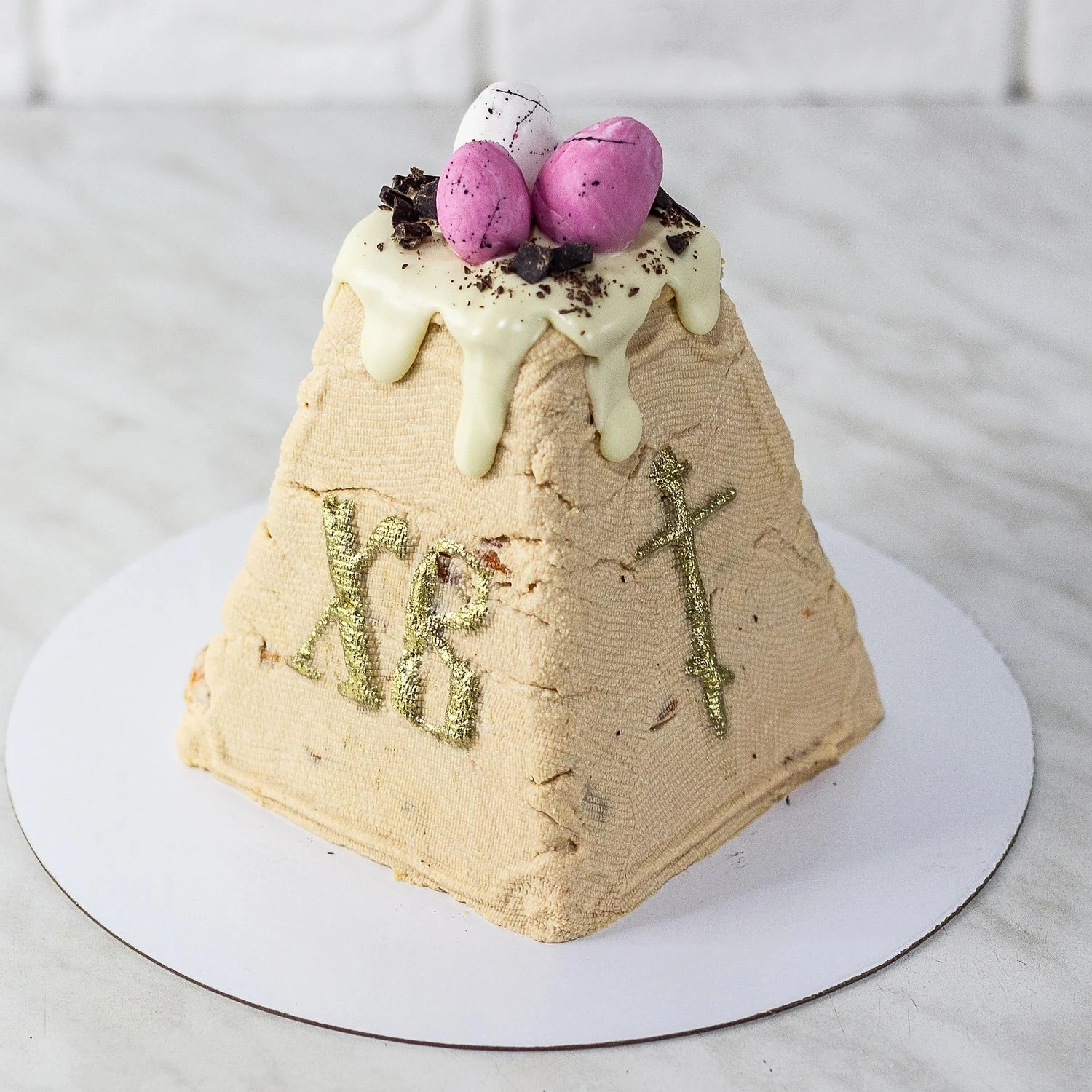
A special place was occupied by omens about paska, pysanky, and other festive dishes. Food on Easter had not only everyday but also symbolic meaning.
If the paska turned out fluffy, even, and well-baked, it was considered a good sign for the home. Such a result was associated with peace in the family, health, and a successful year. If the paska cracked, burned, or sank, it was sometimes perceived as an undesirable sign. Although in practice such things more often depended on the oven, dough, and the hostess's experience, people liked to look for additional meaning in this. Humanity, as is known, is capable of drawing a mystical conclusion even from dough.
Pysanky were also an important part of the ritual. It was believed that a consecrated egg should not be carelessly discarded. The shell was often buried in the ground, thrown into water, or given to the household, as it was believed that it could bring benefit.
In some localities, the first consecrated egg was kept as an amulet. It could be kept at home for a certain time, considering it a sign of protection for the family.
Omens of health and family
Some Easter omens concerned health. For example, people believed that washing with water in which a pysanka or a silver coin was placed could bring freshness, strength, and a good appearance. Such a custom was especially popular among children and young people.
There were also omens about family harmony. It was believed that if the whole family gathered at one table after church, the year would be peaceful. A joint meal was perceived as a sign of unity, and the absence of quarrels on this day – as a good omen for the future.
For unmarried girls in different regions, there were separate Easter divinations and omens. They could concern who would speak first after the service, who would be met on the road, or what the festive morning would be like. Such customs were part of youth rituals, although today they are perceived mainly as folklore.
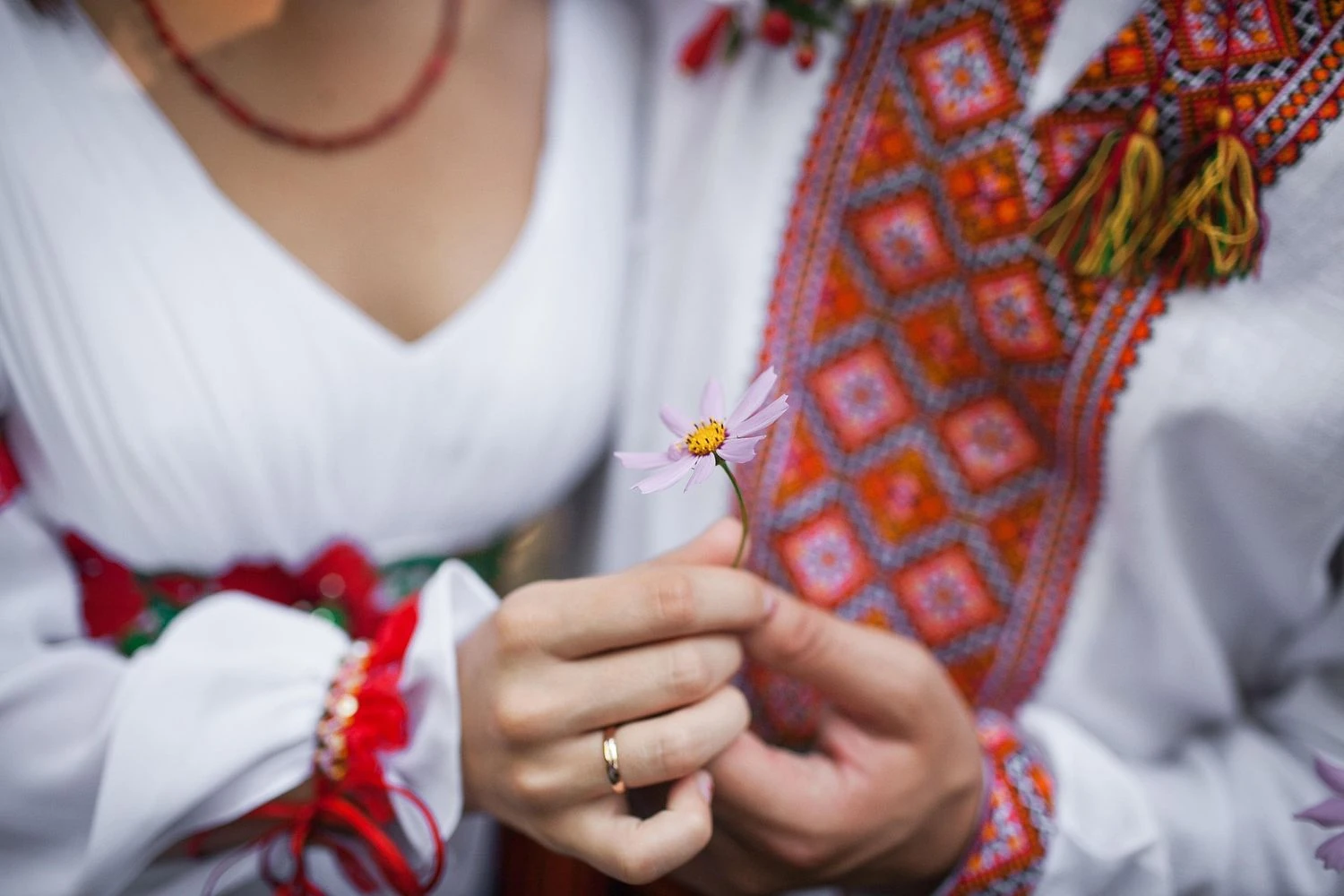
Today, most Easter omens no longer have such practical significance for people as they once did. However, many of them have been preserved in the form of family habits. Someone still carefully looks at the weather on the holiday, someone attaches importance to how the paska turned out, and someone definitely washes children with water with a pysanka.
In modern society, such omens rather perform a cultural function. They help to better understand the life and thinking of Ukrainians of past generations, as well as to feel a connection with tradition. At the same time, it is important to distinguish folk beliefs from church teaching: the Christian essence of Easter lies primarily in celebrating the Resurrection of Christ, and not in searching for everyday signs.
Easter 2026: who will celebrate earlier – Orthodox or Catholics16.03.26, 14:37 • 60970 views
